LUMIBRIGHT
LUMI OUTDOOR
Application inspiration · not a project reference
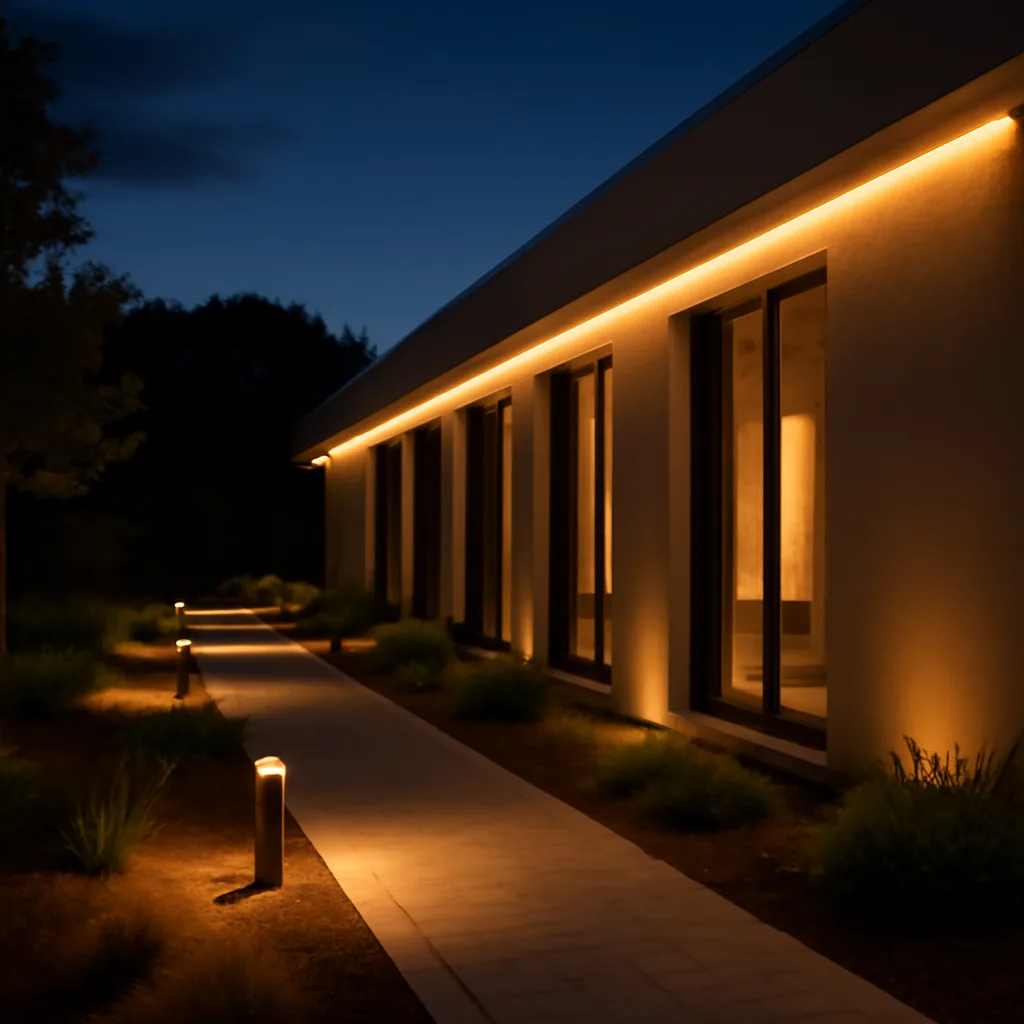
Lumi Outdoor groups luminaires for building exteriors, gardens and circulation spaces. Wall lights, projectors, inground fittings and landscape lighting serve different roles: revealing a surface, defining an entrance or marking a route through the site.
BROWSE THIS COLLECTION
BROWSE BY
PRODUCT FAMILY
SERIES & COLLECTIONS
277 product families · Page 7 of 12
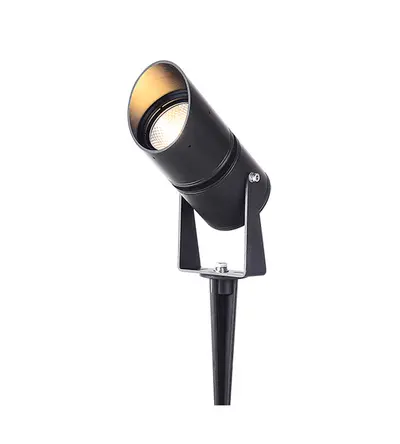
LENTE
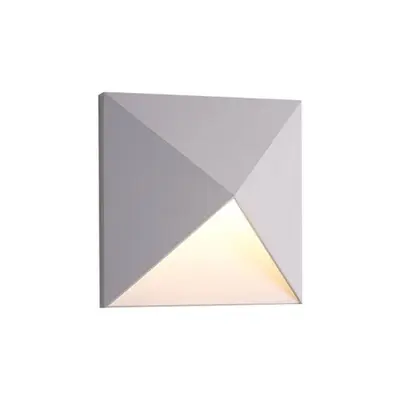
LIGHTS
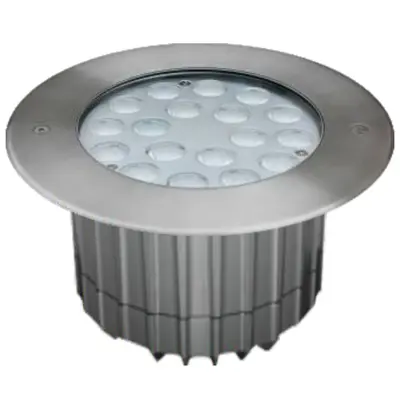
LILTOP
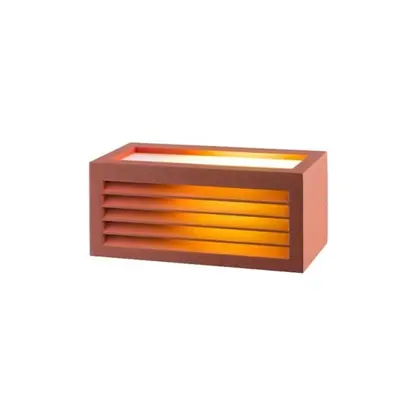
LIMA
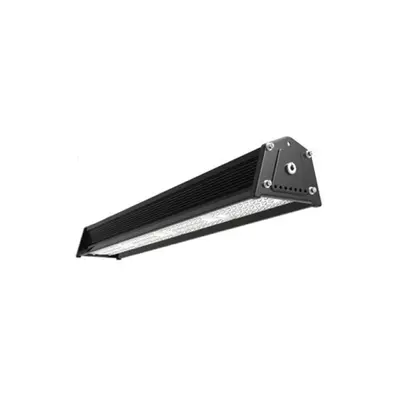
LINEAR BAY
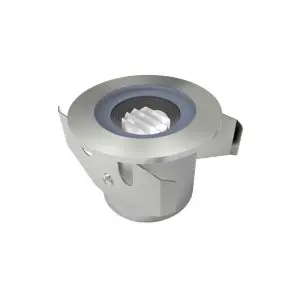
LINFRA
LIXEN
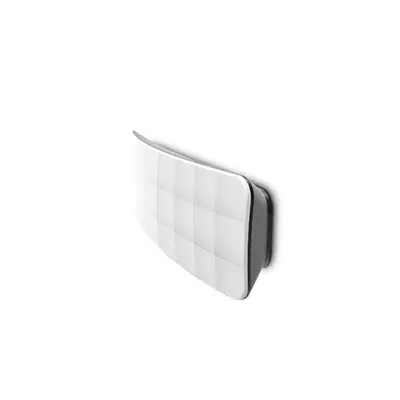
LIZA
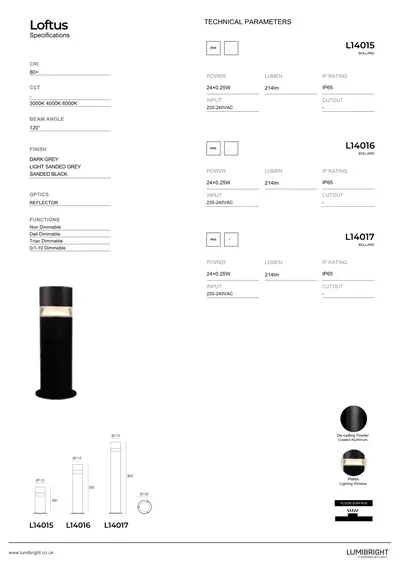
LOFTUS
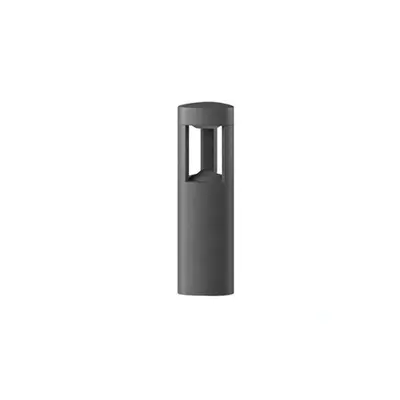
LOGAN
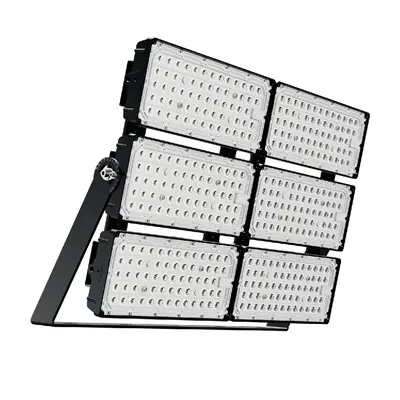
LUBLIN

LUSTY
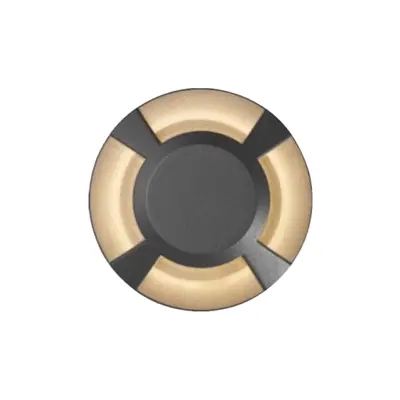
LYENG
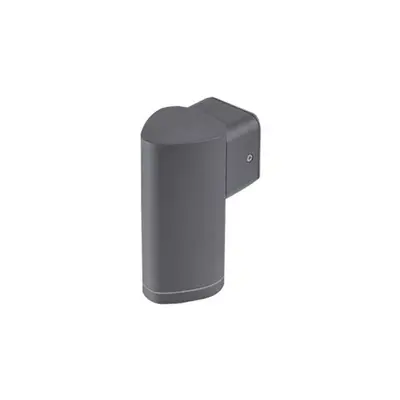
MACK
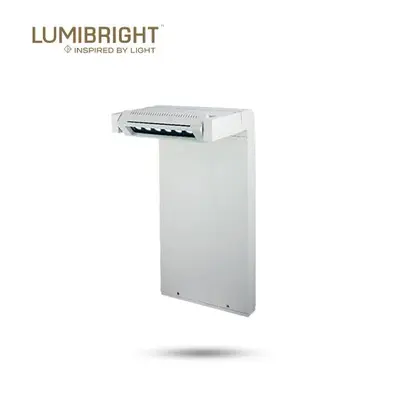
MARCO

MAREK
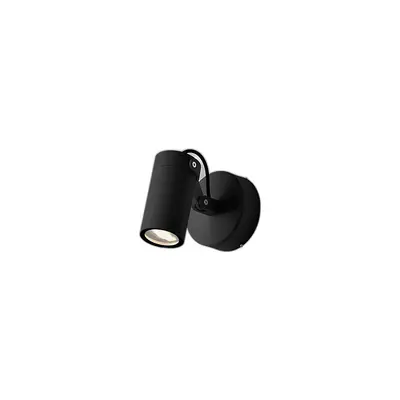
MARLON
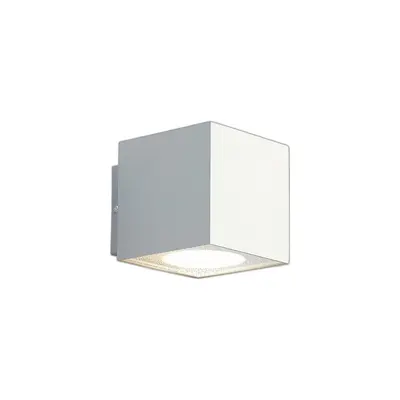
MAX
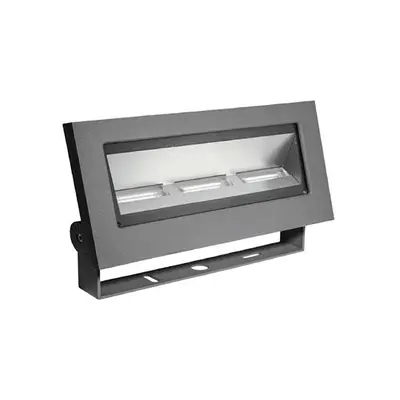
MEADOWS
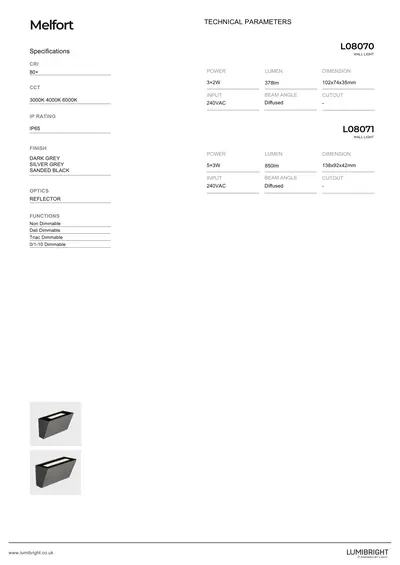
MELFORT
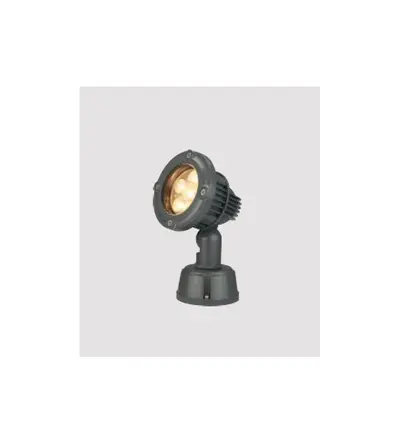
MERAK
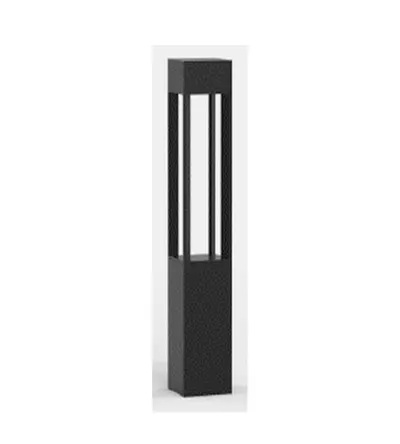
MIA
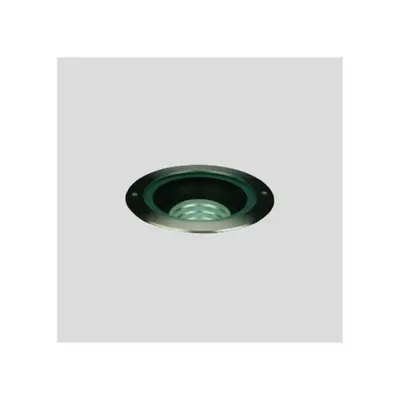
MIASCA
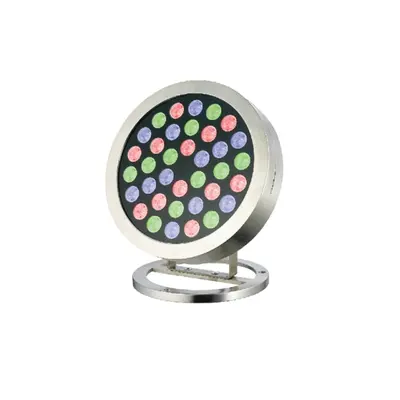
MIC
The Range
Lumi Outdoor — Exterior & Landscape Luminaires
Lumi Outdoor groups luminaires for building exteriors, gardens and circulation spaces. Wall lights, projectors, inground fittings and landscape lighting serve different roles: revealing a surface, defining an entrance or marking a route through the site. A considered exterior scheme balances these effects with the surrounding architecture and the views from neighbouring properties. Select the mounting position and lighting effect first. Then check each model's published ingress rating, dimensions, beam and installation requirements against the actual exposure. Drainage, cable connections, access for maintenance and the suitability of finishes need project-specific review; an outdoor collection label is not a blanket environmental rating.
277 product families · 1229 articles published with full specifications.
What's in the range
How specifiers choose within this range
Match IP to the location
IP65 for splash zones, IP66 for pressure wash-down, IP67 for driveways and planters, IP68 for permanently submerged or flood-prone recesses.
Specify the corrosion class
Within 1 km of the coast use 316 stainless fixings and a marine-grade powder coat over pre-treated aluminium; carry that through to brackets and glands.
Control spill and glare
Use louvres, snoots and asymmetric optics to keep light on the surface; CIE 150 curfew limits apply near residences, so plan a curfew scene.
Check the thermal reality
At 50 °C ambient the driver, not the LED, is usually the limit — confirm the Ta rating and allow ventilation in buried or boxed-in details.
Plan drainage and access
Inground housings need a drained sump and a maintainable gear tray; state the buried depth and the cable gland size at design stage.
How to specify — in five steps
- Fix the IP and IK rating from the location and the cleaning regime.step 1
- Choose the optic — spot, flood, wall-wash or asymmetric — for the surface.step 2
- Confirm finish and fixing material for the corrosion class.step 3
- Check Ta and driver location for a 50 °C summer ambient.step 4
- Send the BOQ with quantities so we can price the accessories with it.step 5
Specifier questions
What IP rating do I need for an inground light in a driveway?+
IP67 as a minimum, with a drained sump below the housing; use IP68 where water can stand over the fitting after rain or irrigation.
Which finish survives a coastal site?+
Marine-grade polyester powder coat over chromated aluminium with 316 stainless fixings, and stainless or brass housings for splash zones — state the site distance from the shore and we will confirm.
How do I avoid glare from facade uplights?+
Keep the beam inside the facade with narrow optics and snoots, aim away from windows, and add a curfew scene so the scheme dims or switches after the CIE 150 curfew hour.
Can the drivers sit remotely?+
Yes — several families accept remote drivers, which is the usual answer when the ambient temperature or the housing volume is too tight for integral gear.