LUMIBRIGHT
LUMI ARC
Application inspiration · not a project reference
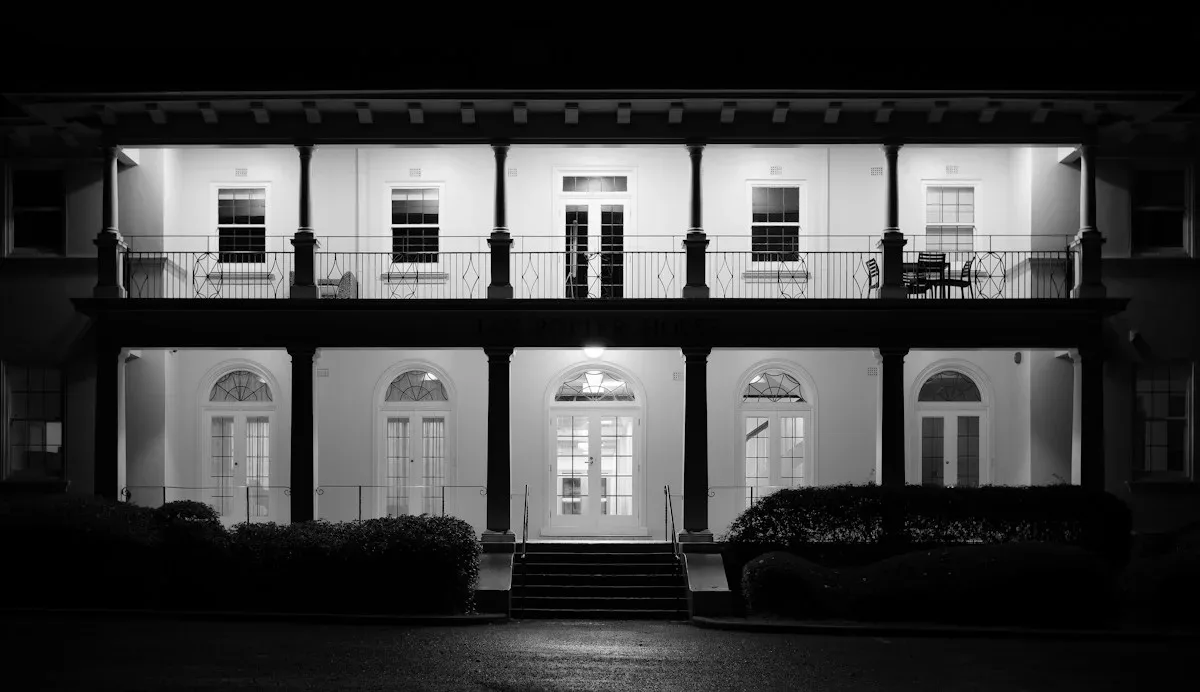
Lumi Arc addresses the lighting of building elevations and architectural surfaces. Projectors, grazers and related effect-lighting families can emphasise texture, outline a feature or provide a considered wash of light across a facade.
BROWSE THIS COLLECTION
BROWSE BY
PRODUCT FAMILY
SERIES & COLLECTIONS
16 product families · Page 1 of 1
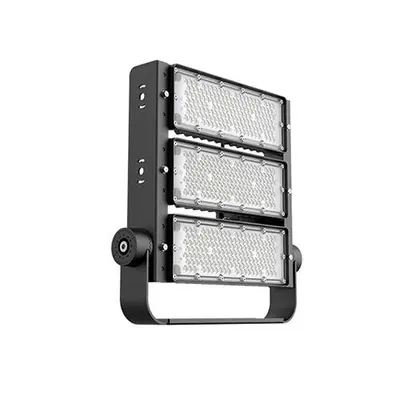
ADLER
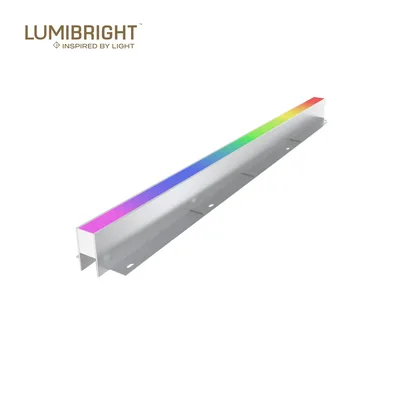
DUSTIN
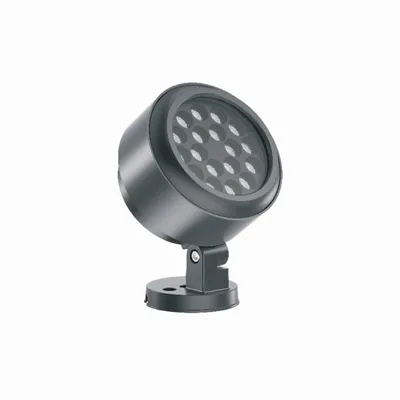
ENTRAZE
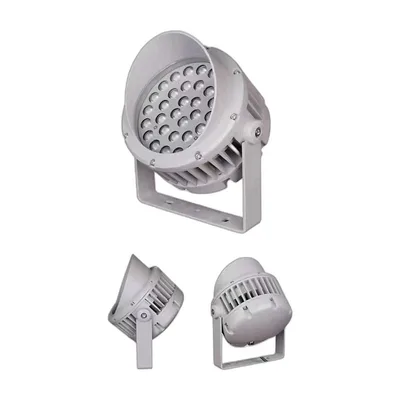
FOCO
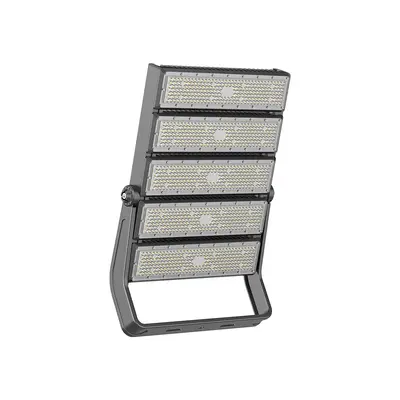
HAWK

KOSMOS

LEVI
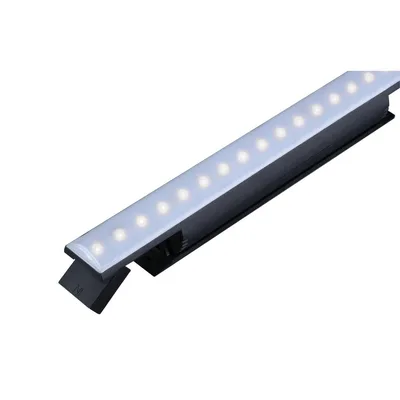
LIBEL
LINE
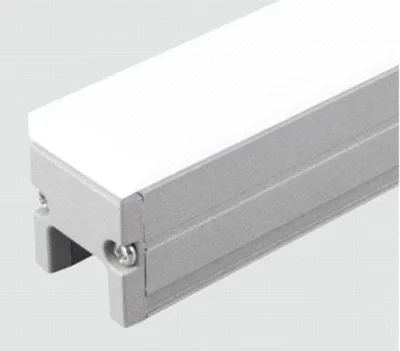
LINTO
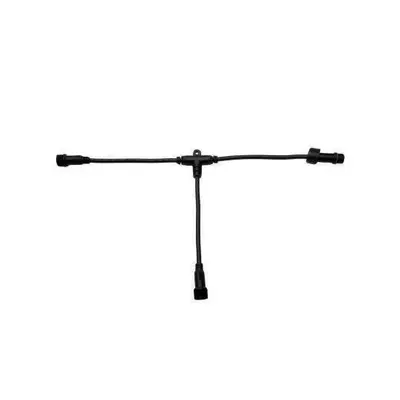
LUMIARC
NEXTRON
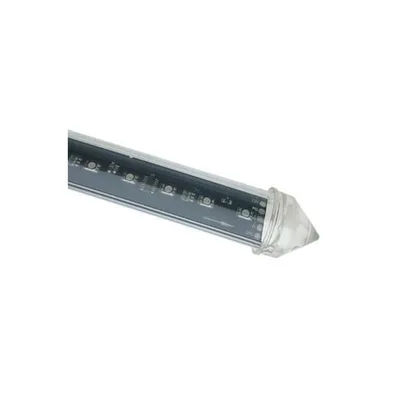
PIXT
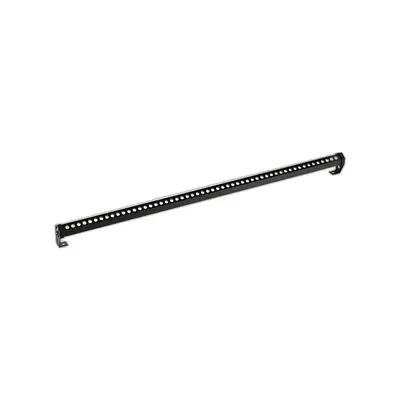
RYANSTAR
SPARK
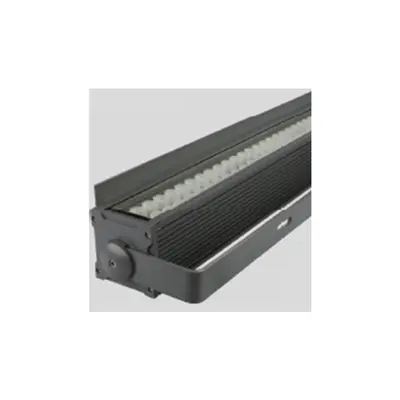
WALL WASHER
Facade, projector and architectural effect lighting
Reveal the character of a facade after dark
Lumi Arc addresses the lighting of building elevations and architectural surfaces. Projectors, grazers and related effect-lighting families can emphasise texture, outline a feature or provide a considered wash of light across a facade. The result depends on the relationship between the luminaire, the surface and the viewing position, not simply the nominal power of the fitting.
Specification considerations
Establish the mounting offset, throw distance and target surface before comparing optics and output. Review environmental requirements, fixing details and maintenance access with the project team. Where a colour-changing or controlled effect is required, confirm the specific light source and control equipment in the model documentation rather than assuming compatibility across the collection.
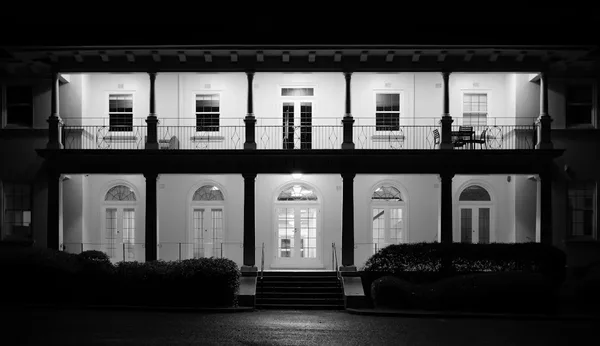
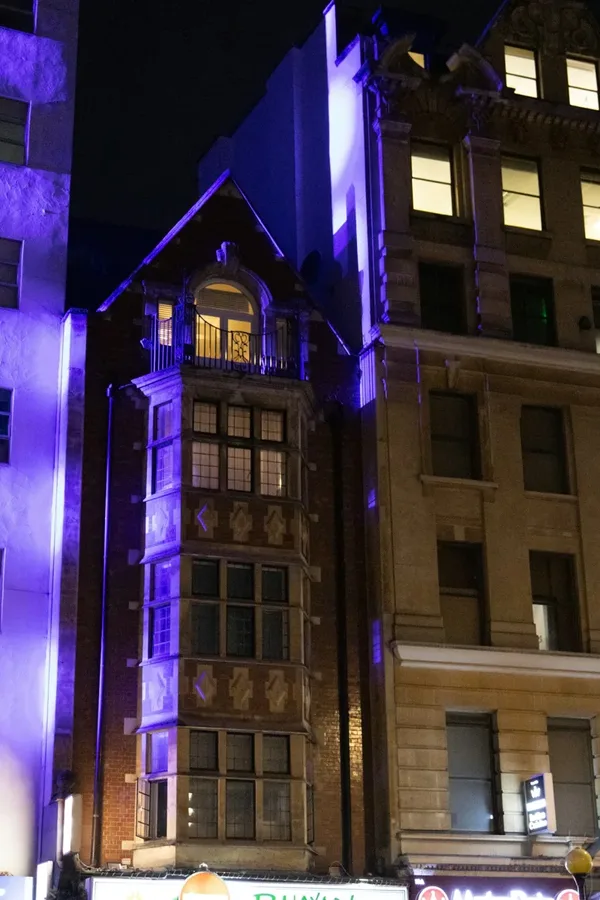
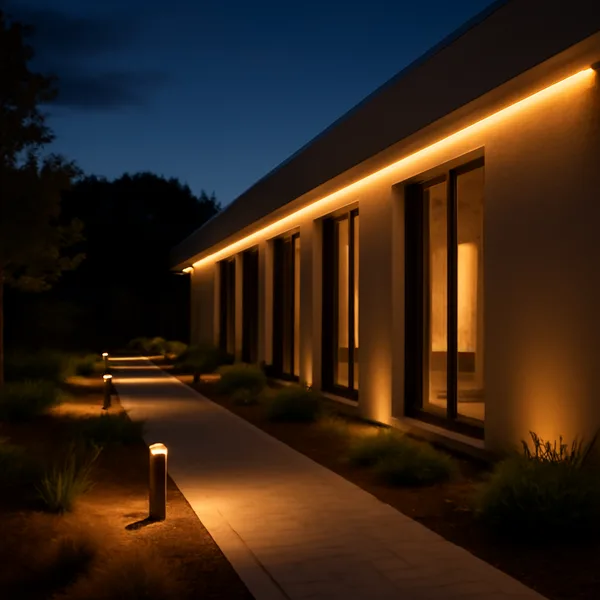
Application inspiration. Illustrative scenes, not a record of LUMIBRIGHT installations or product performance.
The Range
Lumi Arc — Facade, Media & Pixel Lighting
Lumi Arc addresses the lighting of building elevations and architectural surfaces. Projectors, grazers and related effect-lighting families can emphasise texture, outline a feature or provide a considered wash of light across a facade. The result depends on the relationship between the luminaire, the surface and the viewing position, not simply the nominal power of the fitting. Establish the mounting offset, throw distance and target surface before comparing optics and output. Review environmental requirements, fixing details and maintenance access with the project team. Where a colour-changing or controlled effect is required, confirm the specific light source and control equipment in the model documentation rather than assuming compatibility across the collection.
16 product families · 82 articles published with full specifications.
What's in the range
How specifiers choose within this range
Fix the geometry first
Throw distance and offset from the surface decide the optic: a grazer needs 100-300 mm offset, a flood needs metres.
Plan the pixel pitch
Pitch and viewing distance set the resolution; state the closest viewing point so the scheme does not read as separate dots.
Size the control
Count DMX universes and controller channels early — the number of pixels, not the wattage, usually drives the control budget.
Specify for the weather
IP66 for wall-mounted facade fittings, IP67 for inground, with stainless fixings and a marine coating on coastal towers.
Hold the colour
For RGBW facades ask for the white channel CCT and a calibration file so multiple runs match on a single elevation.
How to specify — in five steps
- Set the mounting geometry, offset and throw distance.step 1
- Choose the optic — grazer, flood, projector or pixel.step 2
- Plan pixel pitch, universes and controller channels.step 3
- Confirm IP, fixings and finish for the exposure.step 4
- Request the spec pack for the fitting and control gear.step 5
Specifier questions
What offset does a facade grazer need?+
Typically 100-300 mm from the surface depending on the beam and the texture you want to reveal; send the section and we will confirm.
How many pixels can one controller drive?+
It depends on the controller and the protocol — give us the pixel count and we will size the universes and controllers.
Can the white channel match the rest of the scheme?+
Yes — specify the RGBW white CCT so the facade's static white matches the architectural lighting around it.
Are these fittings suitable for a coastal tower?+
With 316 stainless fixings and a marine-grade finish, yes; state the distance from the shore and the access strategy for maintenance.