LUMIBRIGHT
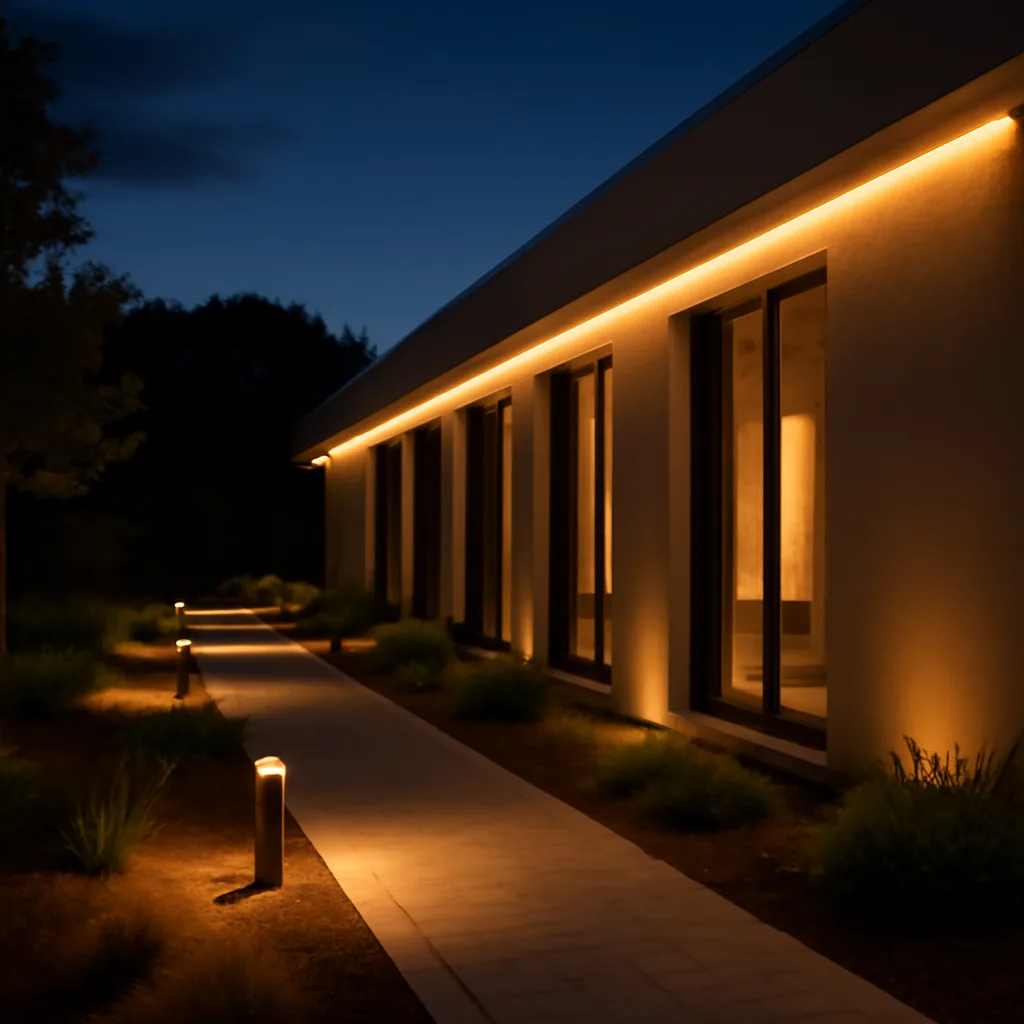
Landscape & Public Realm Lighting
Application inspiration · not a project reference
Exterior schemes connect routes, entrances and landscape features after dark. Balance the intended effect with surrounding views, and check the selected article’s installation and environmental requirements for the actual exposure.
Design examples are starting points, not measured product results, guaranteed compatibility or universal regulatory minima. Confirm the exact model, site conditions, applicable standard and calculation with the responsible designer.
Design criteria
Lighting for gardens, walkways, parks and public spaces
Landscape lighting is about guiding people and shaping planting after dark with as little visible equipment and spill as possible. The technical work is in the aiming and the protection: full cut-off optics below eye level, ingress and impact ratings that survive irrigation, sand and foot traffic, and enough uniformity along a route that nobody walks from a bright pool into a dark one.
| Zone | Illuminance | Uniformity | Colour | Glare | CCT |
|---|---|---|---|---|---|
| Pedestrian path / walkwayEven spacing matters more than level - avoid light-and-dark patching. | Illuminance5-20 lx average | UniformityUo >= 0.25 | ColourCRI 70-80 | GlareFull cut-off, below eye level | CCT2700-3000K |
| Steps, ramps and level changesLight the tread, not the riser face, and never into the descending eye. | Illuminance20-50 lx on the tread | UniformityUo >= 0.4 | ColourCRI 80 | GlareRecessed or shielded steplight | CCT3000K |
| Planting / tree accentIP67/IP68, drained recess, and adjustable aiming for growth. | IlluminanceContrast-driven | Uniformity— | ColourCRI 80+ (4000K reads greener) | GlareSnoot / honeycomb | CCT3000-4000K |
| Water feature / pool surroundIP68 for submerged positions; check material compatibility with treated water. | Illuminance10-30 lx | Uniformity— | ColourCRI 80+ | GlareShielded, no view of the source | CCT3000K |
| Public square / car parkWhere CCTV or surveillance is part of the brief, vertical illuminance and uniformity are the governing figures. | Illuminance10-30 lx (task-dependent) | UniformityUo >= 0.25, higher where CCTV is used | ColourCRI 70+ | GlareG-class rated optic | CCT3000-4000K |
Illustrative project-brief ranges, not measured model performance or universal code requirements. Confirm the relevant task, standard edition, site conditions and local requirements.
How to specify
Five decisions that set the fitting
- Plan the route first: entrances, level changes and decision points get light; the space between them can go darker.
- Use full cut-off optics and keep the source below eye level or shielded - glare, not lux, is the usual complaint in public realm schemes.
- Specify IP65 minimum above ground, IP67/IP68 for in-ground and submerged, with a drained recess detail.
- Check IK rating and fixing security for anything reachable from a footpath or a car park.
- Set a curfew or part-night scene where local authority limits or CIE 150 obtrusive-light guidance applies.
Specify from
Candidate families for technical review
845 articles across 12 families

Inground Light
INGROUND
55 articles

Garden Light
GARDEN
54 articles
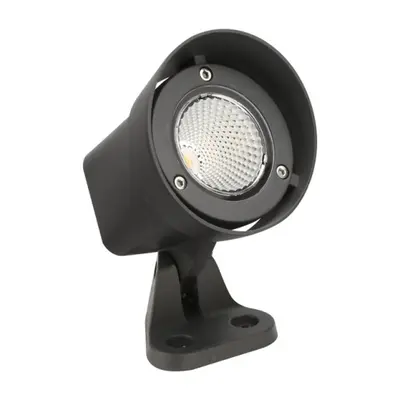
Garden Light
CASPER
27 articles

Inground Light
GINI
26 articles

Inground Light
LYENG
25 articles

Garden Light
OPTAGON
17 articles

Garden Light
TEOBALD
14 articles
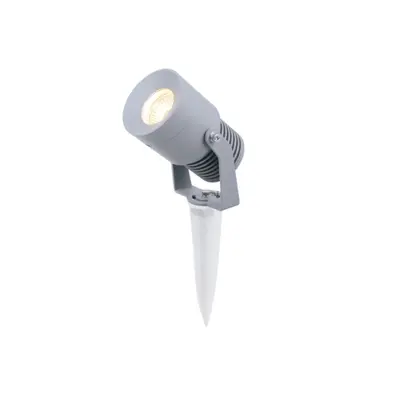
Garden Light
PINDOS
13 articles

Inground Light
MILANA
12 articles
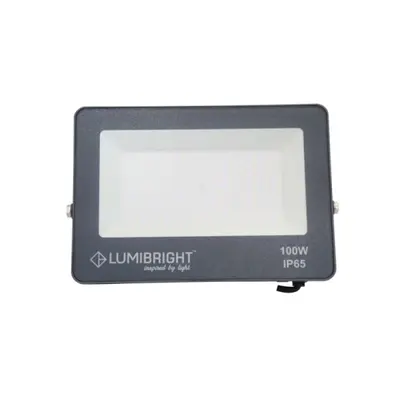
Flood Light
EIDER
12 articles

Inground Light
VONNI
12 articles
Tree Light
TOLIFO
11 articles
Specifier questions
Frequently asked
How bright should a garden path be?
5 to 20 lx on average with reasonable uniformity. A path lit to 50 lx in pools with dark gaps feels less safe than one lit evenly to 8 lx.
Bollards or in-ground uplights for a walkway?
Bollards give controlled, glare-free light on the surface and are easier to maintain. In-ground uplights are for accenting trees and walls - used along a path they usually glare into the eye.
What survives Gulf conditions - sand, irrigation and heat?
IP67/IP68 in-ground housings with a drained recess, marine-grade stainless or qualified coatings near the coast, and fittings rated for the ambient temperature they will actually sit in (check Ta).
Do you supply spike-mounted fittings for planting beds?
Yes - spike, surface and in-ground mountings are available across the outdoor and urban families, so the same optic can be repositioned as planting matures.