
LUMIBRIGHT
LUMI FLEX
Application inspiration · not a project reference
Lumi Flex brings flexible LED strips, neon-style light lines and related linear components into architectural details. Concealed coves, shelving, joinery and perimeter lines can provide a layer of light without making a conventional luminaire the visual focus.
BROWSE THIS COLLECTION
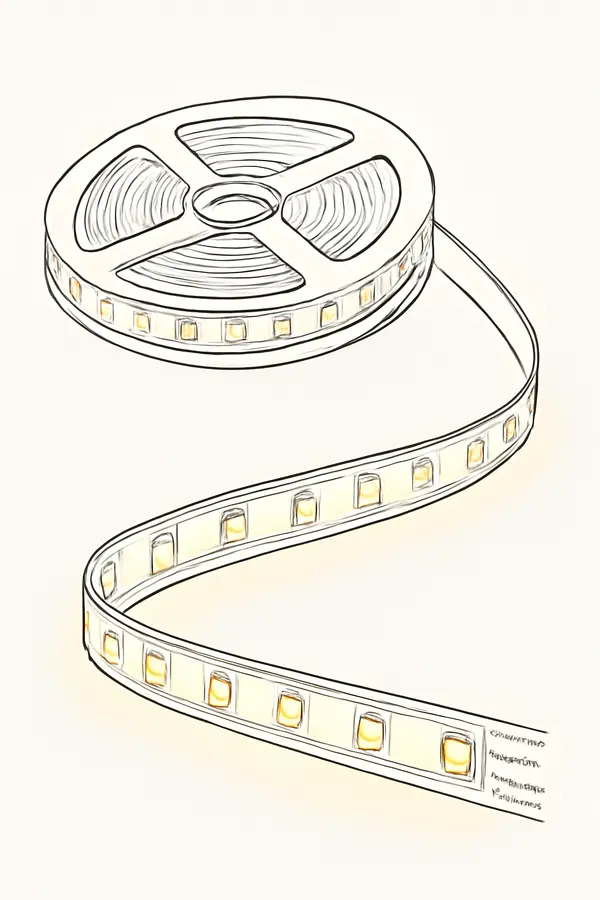
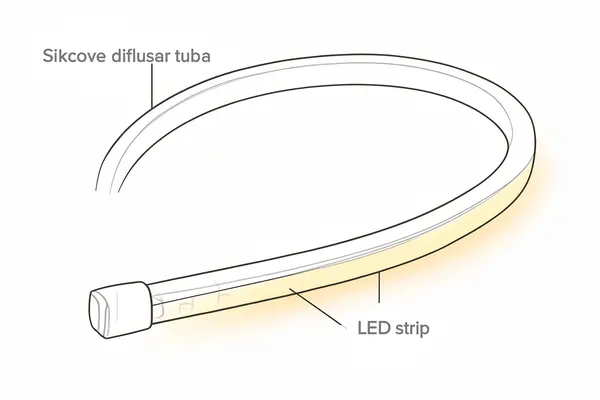
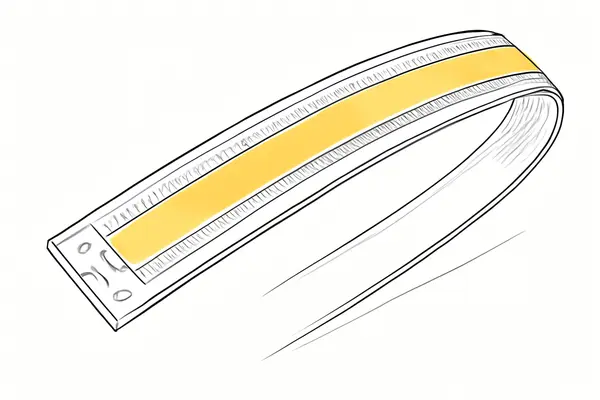
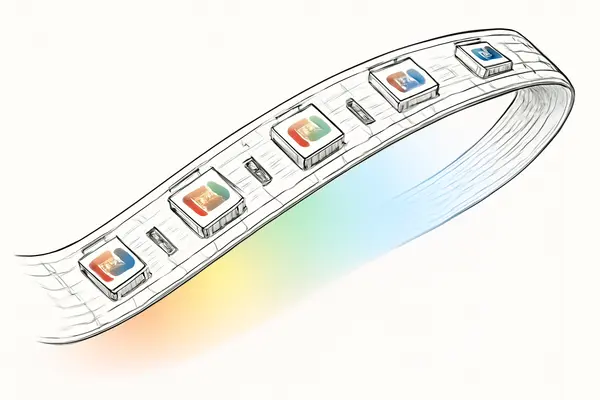
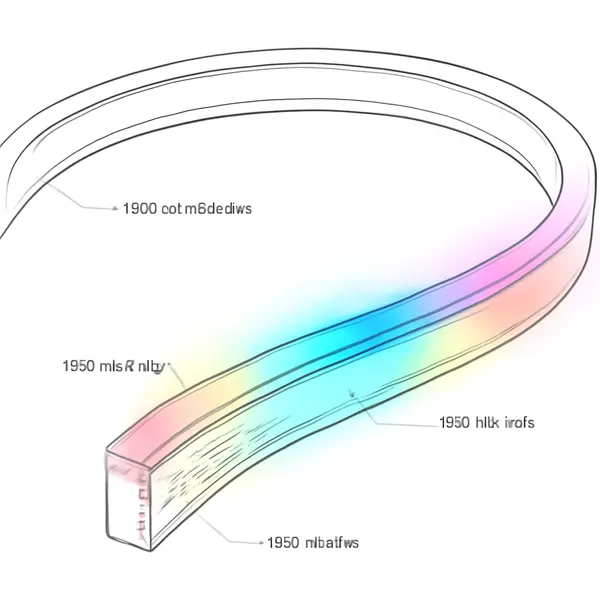
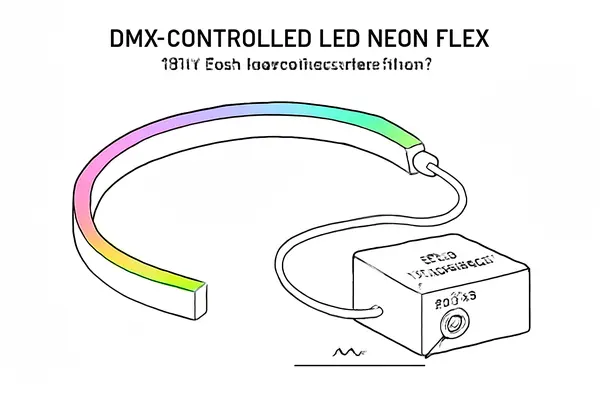

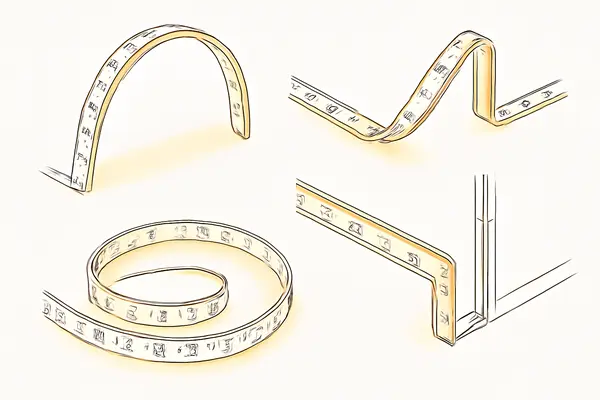
LED strips, neon flex and linear details
Light within coves, contours and joinery
Lumi Flex brings flexible LED strips, neon-style light lines and related linear components into architectural details. Concealed coves, shelving, joinery and perimeter lines can provide a layer of light without making a conventional luminaire the visual focus. The profile, diffuser and distance to the illuminated surface all influence how the finished detail appears.
Specification considerations
Compare the listed voltage, power per length, colour options and cut increments for the selected strip or flex model. Plan feeds, drivers, profiles and terminations together, with access for maintenance. Permitted bend direction, maximum run length and environmental suitability must be confirmed for the exact product; they cannot be inferred from an application photograph.
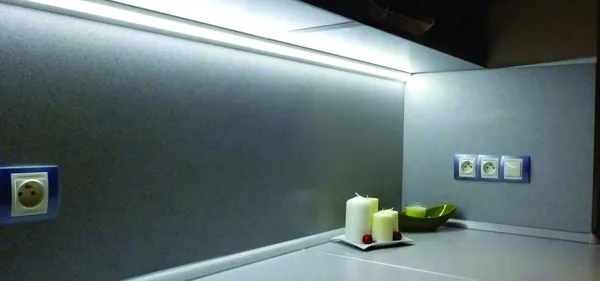
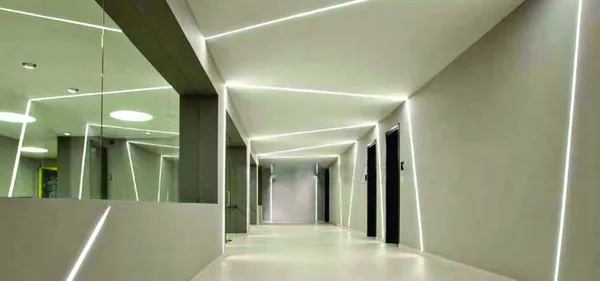
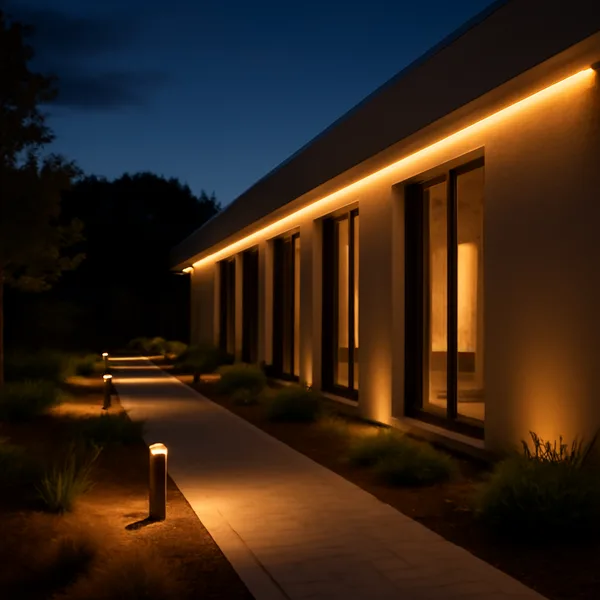
Application inspiration. Illustrative scenes, not a record of LUMIBRIGHT installations or product performance.
The Range
Lumi Flex — Strip, Neon Flex & Wall Washers
Lumi Flex brings flexible LED strips, neon-style light lines and related linear components into architectural details. Concealed coves, shelving, joinery and perimeter lines can provide a layer of light without making a conventional luminaire the visual focus. The profile, diffuser and distance to the illuminated surface all influence how the finished detail appears. Compare the listed voltage, power per length, colour options and cut increments for the selected strip or flex model. Plan feeds, drivers, profiles and terminations together, with access for maintenance. Permitted bend direction, maximum run length and environmental suitability must be confirmed for the exact product; they cannot be inferred from an application photograph.
12 product families · 35 articles published with full specifications.
What's in the range
How specifiers choose within this range
Work in lumens per metre
Match output to the cove depth and the surface finish; a deep plaster cove needs more per metre than a shallow gap on white paint.
Avoid dotting
Choose a high LED density or a COB tape where the strip sits close to the diffuser, and always run tape inside a profile with a diffuser for visible details.
Set the IP for the location
IP20 for dry interiors, IP65 silicone-coated for bathrooms and kitchens, IP67 for external coves and planters.
Size the driver and the run
Voltage drop limits the run from one feed — split long runs and place drivers where they can be reached for service.
Hold colour consistency
Specify a 3-step SDCM binning and order the whole detail from one batch; mixed batches show instantly in a continuous line.
How to specify — in five steps
- Measure the detail and set the output per metre and CCT.step 1
- Choose tape or neon flex, density and IP rating.step 2
- Select the profile, diffuser and end caps.step 3
- Size drivers, feed points and run lengths.step 4
- Send the BOQ in metres plus profiles and drivers.step 5
Specifier questions
How much output per metre do I need in a cove?+
It depends on cove depth, the reflectance of the surface and the effect: send the detail section and we will recommend the output per metre and the profile.
Can the tape be cut on site?+
Standard tape is cut on the marked cut points and re-terminated; neon flex has fixed cut increments and needs a proper end cap to keep its IP rating.
Which profile stops the dotted look?+
Any profile with a deep enough diffuser gap for the LED pitch you are using, or a COB tape where the gap is shallow.
Is neon flex dimmable?+
Yes, with a compatible driver and protocol — state DALI, phase or 1-10 V when you order so the driver matches.